Location
Lima, Peru
I'm
Passionate about understanding economic inequalities and using data-driven insights to contribute to evidence-based policy solutions.
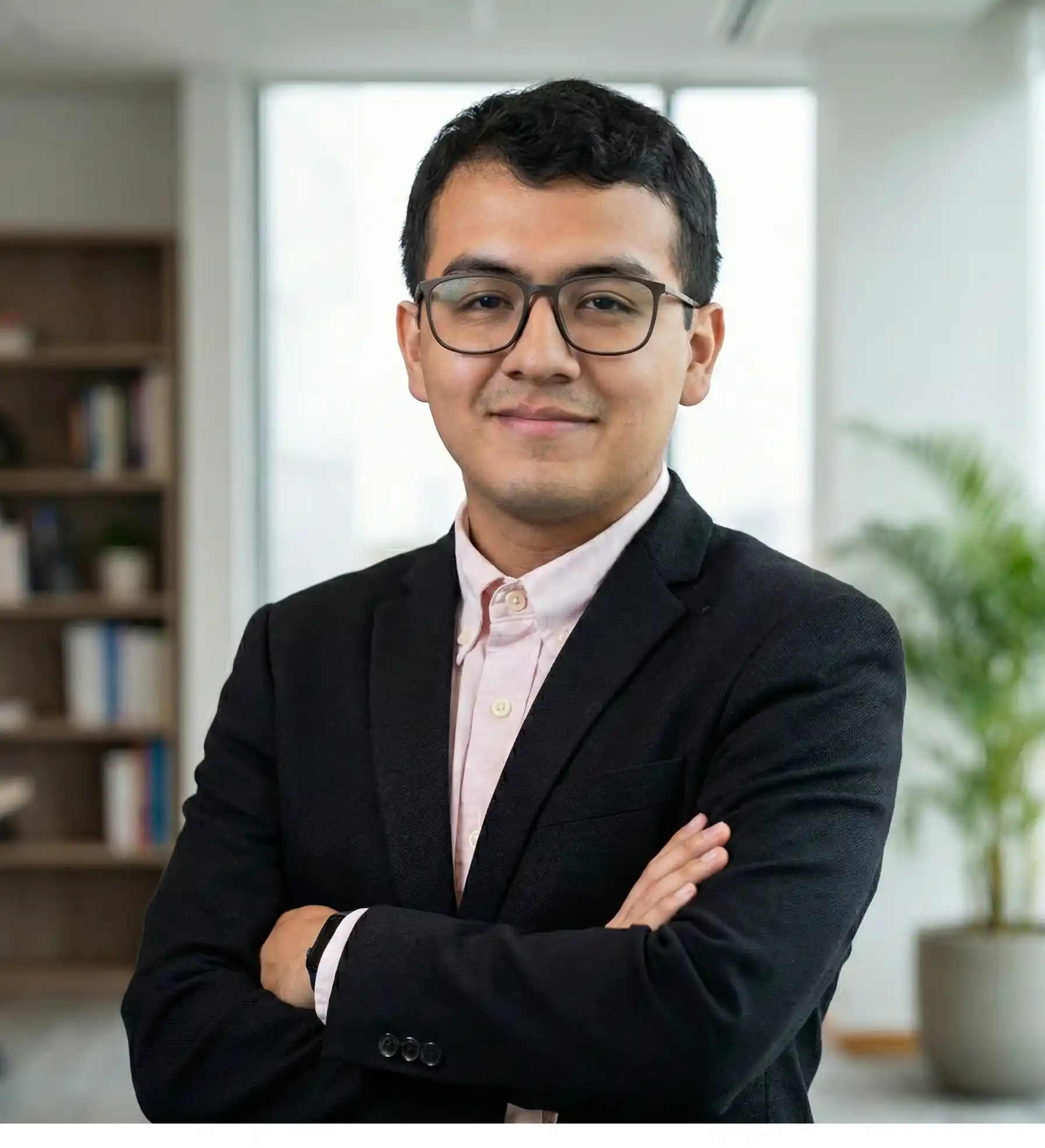
Welcome! My name is John Barraza, and I am an Economics student at Universidad del Pacífico, passionate about using data and evidence to understand the world around us.
My journey into economics began during childhood trips to visit my grandmother in the interior of Peru. I observed stark disparities in how children played, the resources they accessed, and the educational infrastructure available to them. What struck me most was that these inequalities existed not only between Lima and the provinces, but within the capital itself. This early exposure to socioeconomic inequality sparked a deep curiosity that has shaped my academic path.
As I explored ways to understand these complex issues, I discovered that Economics provided the analytical tools and frameworks needed to examine inequality, development, and policy solutions. This realization solidified my commitment to the field and continues to drive my research interests today.
Beyond academics, I'm an avid reader who loves exploring diverse perspectives through books, and I enjoy the strategic challenge of board games. These interests complement my analytical work by fostering creativity, strategic thinking, and a deeper understanding of human behavior and decision-making.
Completed Courses
GitHub Projects
Research Projects
Books Read
Technical skills and tools that I use for economic analysis and research
Interpersonal and professional competencies developed through academic and work experiences
Comprehensive overview of my academic background, professional experience, and key competencies in economics and data analysis.
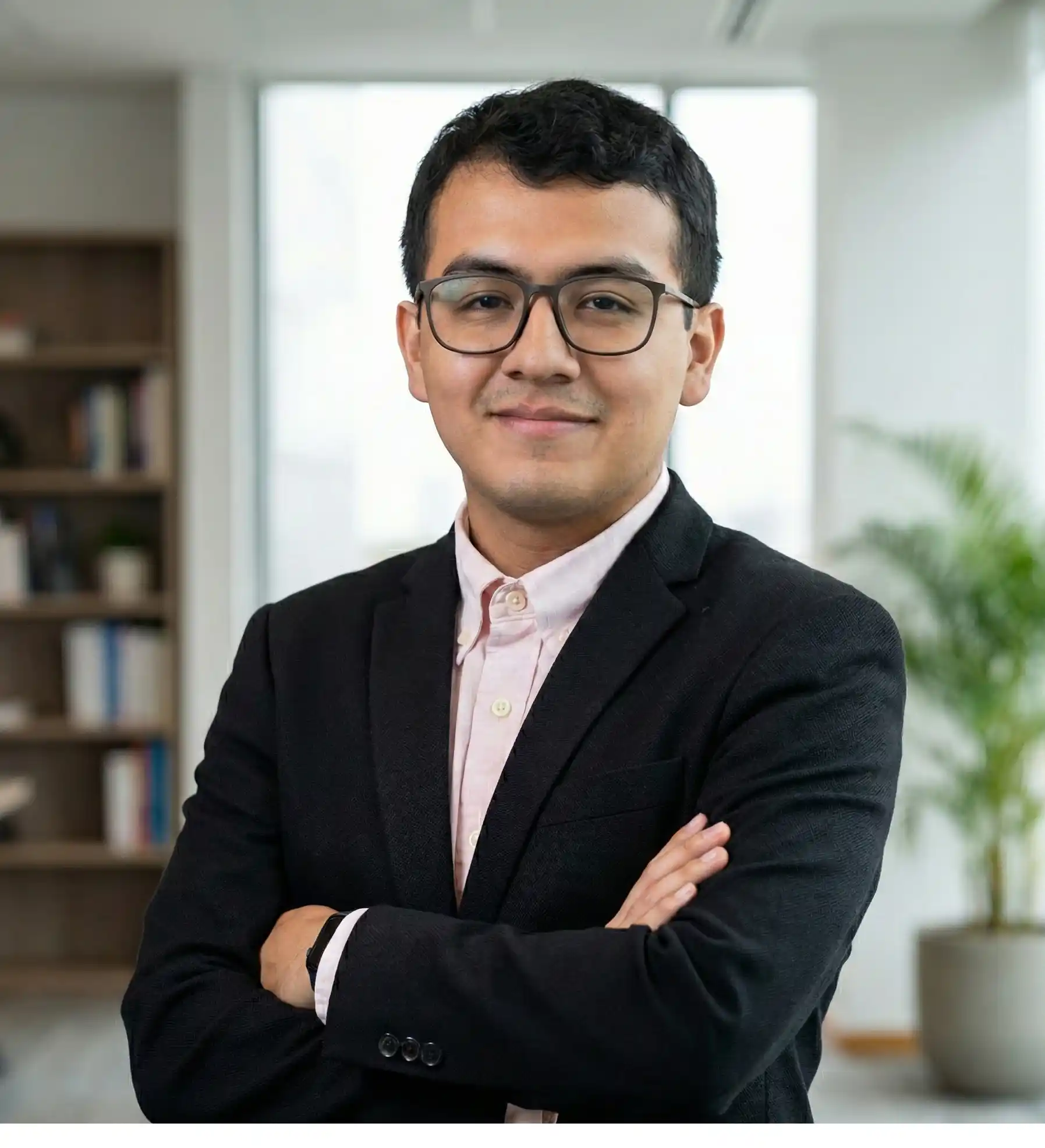
Economics student with strong analytical skills and passion for understanding socioeconomic inequalities. Experienced in data analysis, econometric modeling, and behavioral economics research.
BEX Consulting.
CAPUP.
Universidad del Pacífico
Top Fifth.
CAPUP - Universidad del Pacífico
Acción Sostenible (ACSOS)
Hanyu Club (HANYU)
Debate UP
Current research projects, publications, and areas of academic interest in economics
Status: In Progress | Type: Bachelor's Thesis
Computational Economics Heterogeneous AgentsExtension of the Aiyagari (1994) framework to a continuous-time setting with endogenous labor supply decisions across two economic sectors, applied to the Peruvian economy. Building on the methodology developed by Achdou et al. (2021) in "Income and Wealth Distribution in Macroeconomics: A Continuous-Time Approach," this research employs their novel numerical methods to solve heterogeneous agent models with incomplete markets. The model analyzes how agents make optimal savings and labor allocation decisions across sectors, examining implications for wealth inequality, sectoral employment dynamics, and aggregate economic outcomes in dual-sector economies.
Areas of economic research that drive my academic curiosity and professional development
Exploring the economic factors that drive poverty reduction and inclusive growth in developing countries. Focus on understanding barriers to development and designing evidence-based policies.
Analyzing the causes and consequences of income and wealth inequality. Investigating how economic policies and institutional factors shape distributional outcomes in Latin America.
Understanding how cognitive biases and psychological factors influence economic decision-making. Designing nudges and interventions to improve welfare outcomes.
Applying advanced statistical methods to answer causal questions in economics. Specializing in panel data analysis, difference-in-differences, and regression discontinuity designs.
Examining labor market dynamics, employment outcomes, and human capital formation. Interested in education returns, skills mismatch, and informal employment in emerging economies.
Studying the role of government in the economy through taxation, public spending, and social programs. Focus on policy evaluation and fiscal sustainability in developing contexts.
Essential books and papers that have shaped my understanding of economics and inequality

Explains correlation (patterns) and causality (why things happen) with DAGs (Directed Acyclic Graphs), and it's a call to action to answer "why" questions rather than just find patterns. Essential reading for understanding causal inference and the ladder of causation.
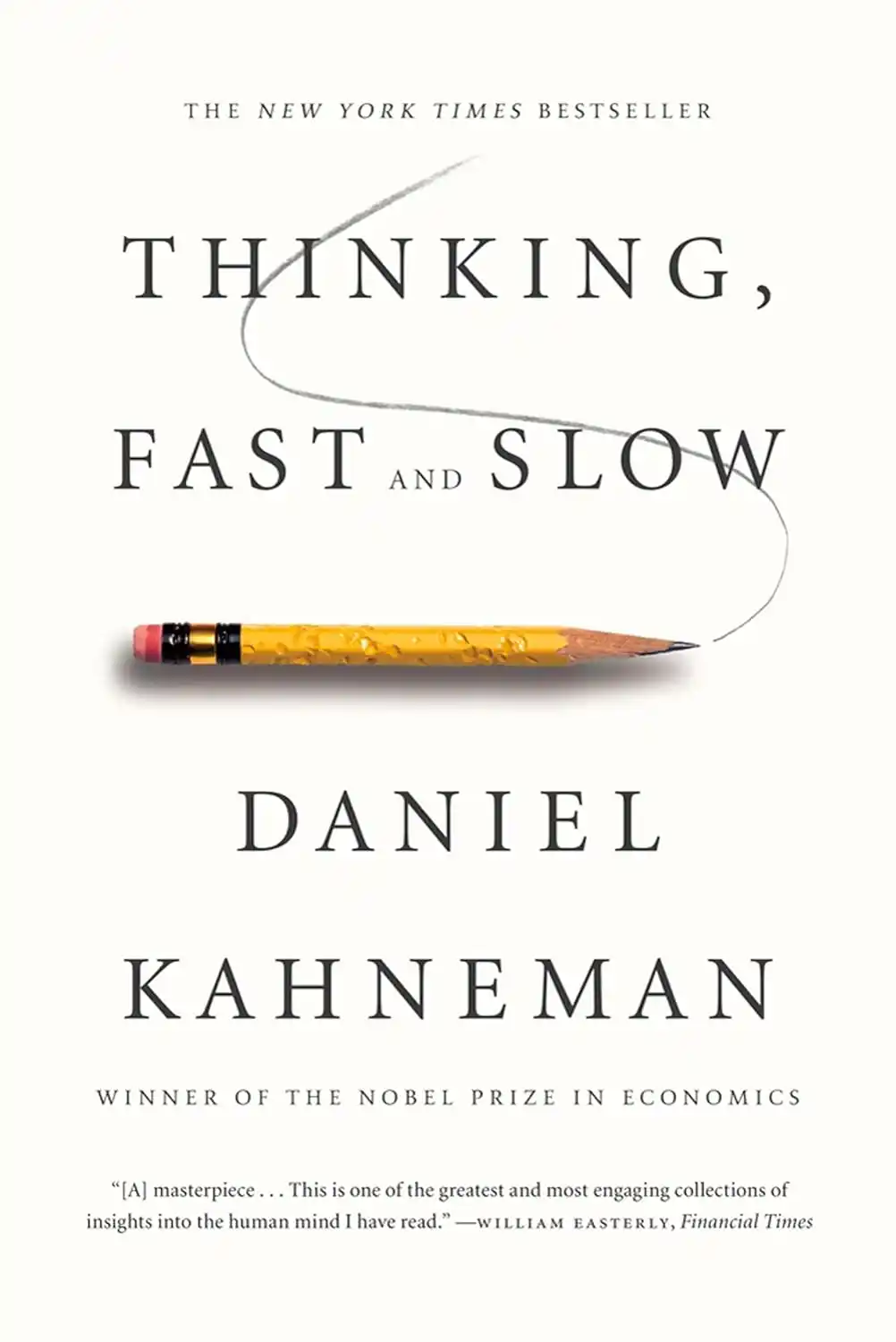
A comprehensive exploration of the two systems that drive human decision-making. Essential for understanding cognitive biases and how they affect economic choices and policy design.
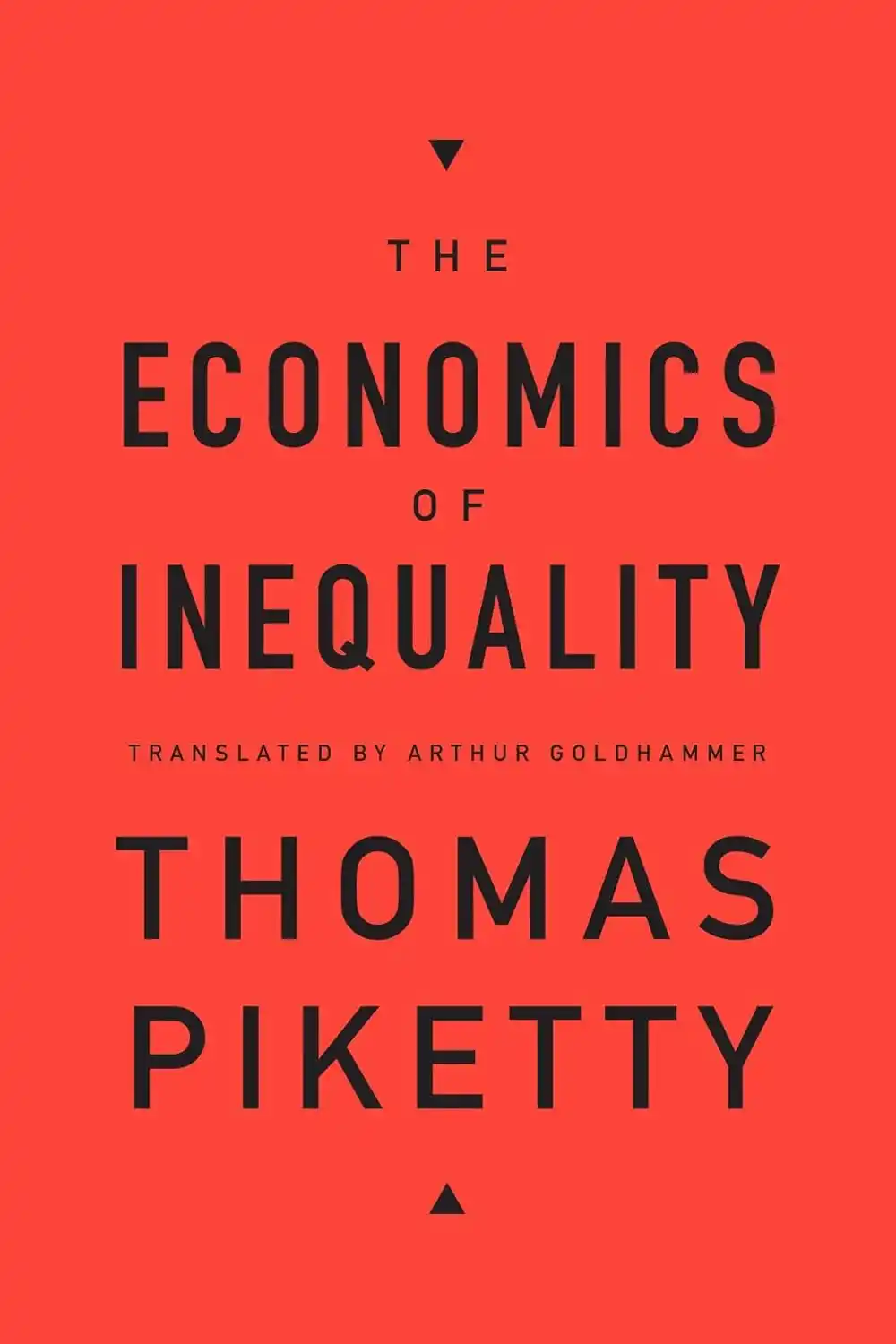
A concise introduction to the main concepts and theories of economic inequality. Provides clear analytical tools for understanding income and wealth distribution.
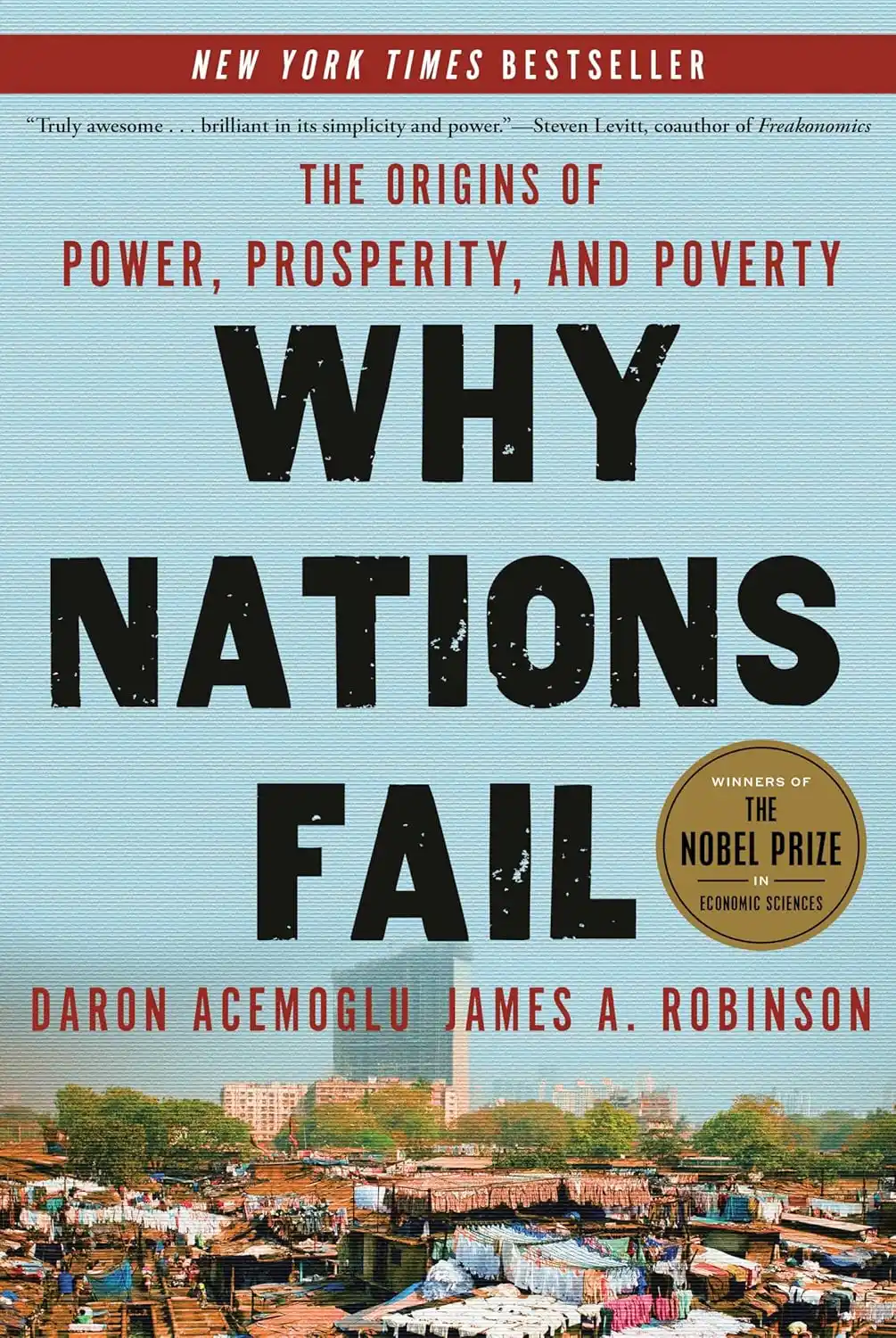
Explores the role of political and economic institutions in determining national prosperity. Argues that inclusive institutions are key to long-term economic success.
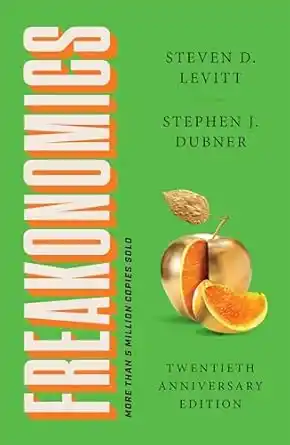
Uses economic theory to explore unconventional questions about everyday life. Demonstrates how economic thinking can reveal hidden patterns and incentives in social behavior.
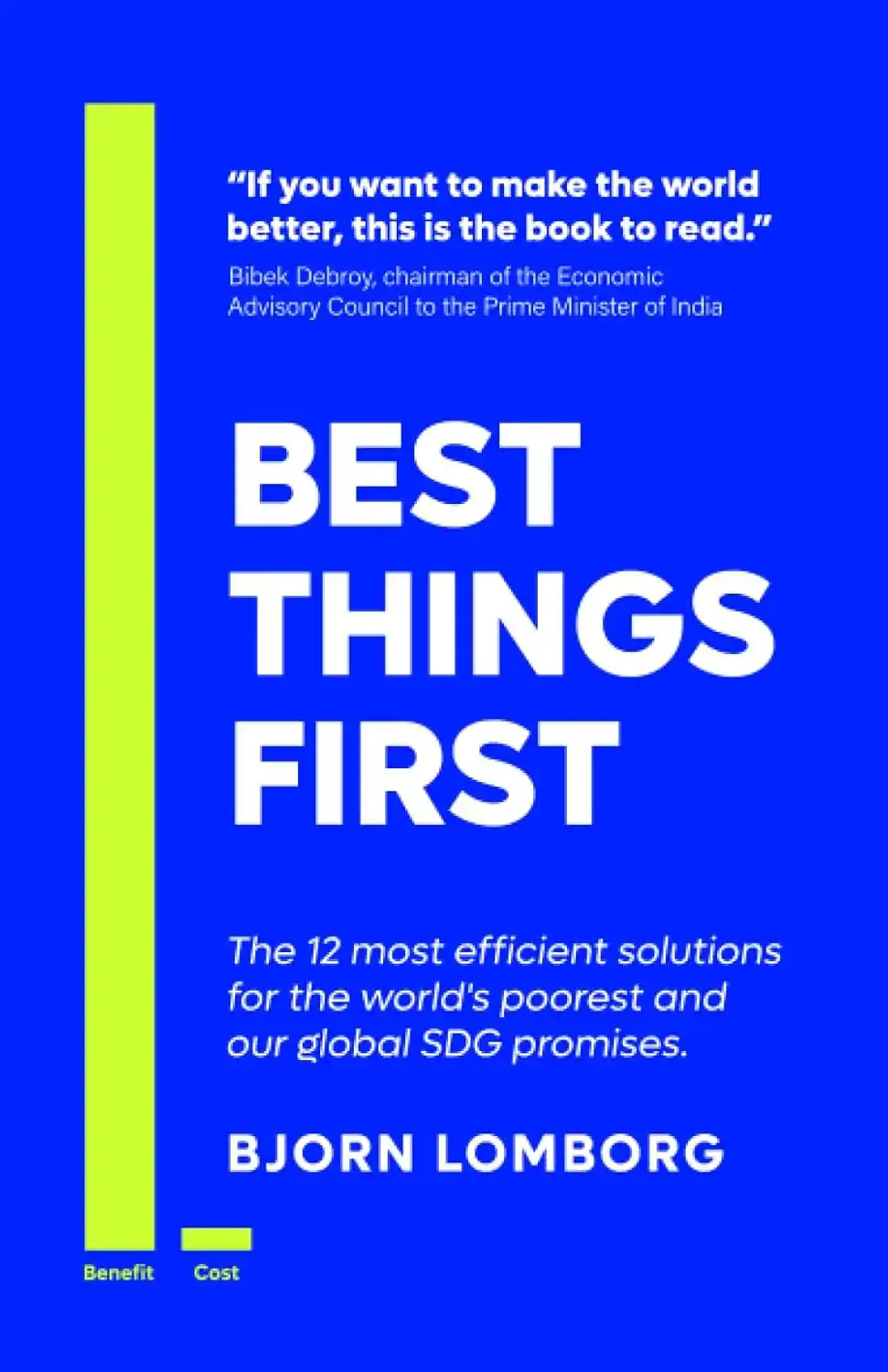
Evidence-based analysis of the world's best policies to achieve UN Sustainable Development Goals. Working with over 100 top economists, Lomborg identifies cost-effective solutions to global challenges including poverty, hunger, climate change, and education.
Data science and economic research projects showcasing analytical skills and programming expertise
Extension of the Aiyagari (1994) framework to continuous-time with endogenous labor supply across two sectors. Using finite difference methods (Achdou et al., 2021) to analyze wealth inequality and sectoral employment dynamics in the Peruvian economy.
Interactive dashboard for visualizing key socioeconomic indicators from Peru's National Household Survey (ENAHO). Includes poverty rates, employment statistics, and income distribution metrics.
Capstone project for E2Lab training program. Designed and programmed an economic experiment using oTree to analyze consumption vs. savings behavior under different information treatments. Organized by E2LabUP (U. del Pacífico), LEEX (PUCP), and CREE (U. de Piura).
Academic courses that have significantly shaped my understanding of economics and data analysis
Advanced econometric techniques including panel data, instrumental variables, and time series analysis. This course provided the statistical foundation for rigorous causal inference.
Study of psychological biases and heuristics affecting economic decisions. Application of insights from psychology to design better policies and nudges.
Analysis of government intervention in the economy through taxation and public expenditure. Focus on welfare economics and optimal policy design in developing contexts.
In-depth study of macroeconomic theory and policy. Topics include economic growth, business cycles, and monetary and fiscal policy in open economies.
Advanced course on causal inference using artificial intelligence and machine learning techniques. Covers modern methods for estimating causal effects in observational data with practical applications in Python, Julia and R. Lasso, Ridge, NN
Contributing to social causes and community development through volunteer work
Role: HR Director
January 2024 - December 2024
CAPUP is a non-profit organization that promotes art within the university community. As HR Director, I led talent management strategies and organizational development.
Role: Volunteer Member
2024 - Present
Organization focused on promoting environmental sustainability and ecological awareness in educational institutions and the university community.
Role: Event Organizer
2024 - Present
Cultural club dedicated to promoting and spreading Chinese culture on university campus through cultural events and educational activities.
Role: Volunteer
2024
University academic debate event that brings together students from various universities to compete in structured debates on current topics.
Committed to using economic knowledge and analytical skills to create positive social impact and contribute to community development.
Feel free to reach out for collaboration opportunities, research inquiries, or just to connect!
I'm always interested in connecting with fellow researchers, potential collaborators, and anyone passionate about economics and data science.
Lima, Peru
johnbarraza39+contact@gmail.com
Have a question or want to work together? Send me a message and I'll get back to you as soon as possible.